

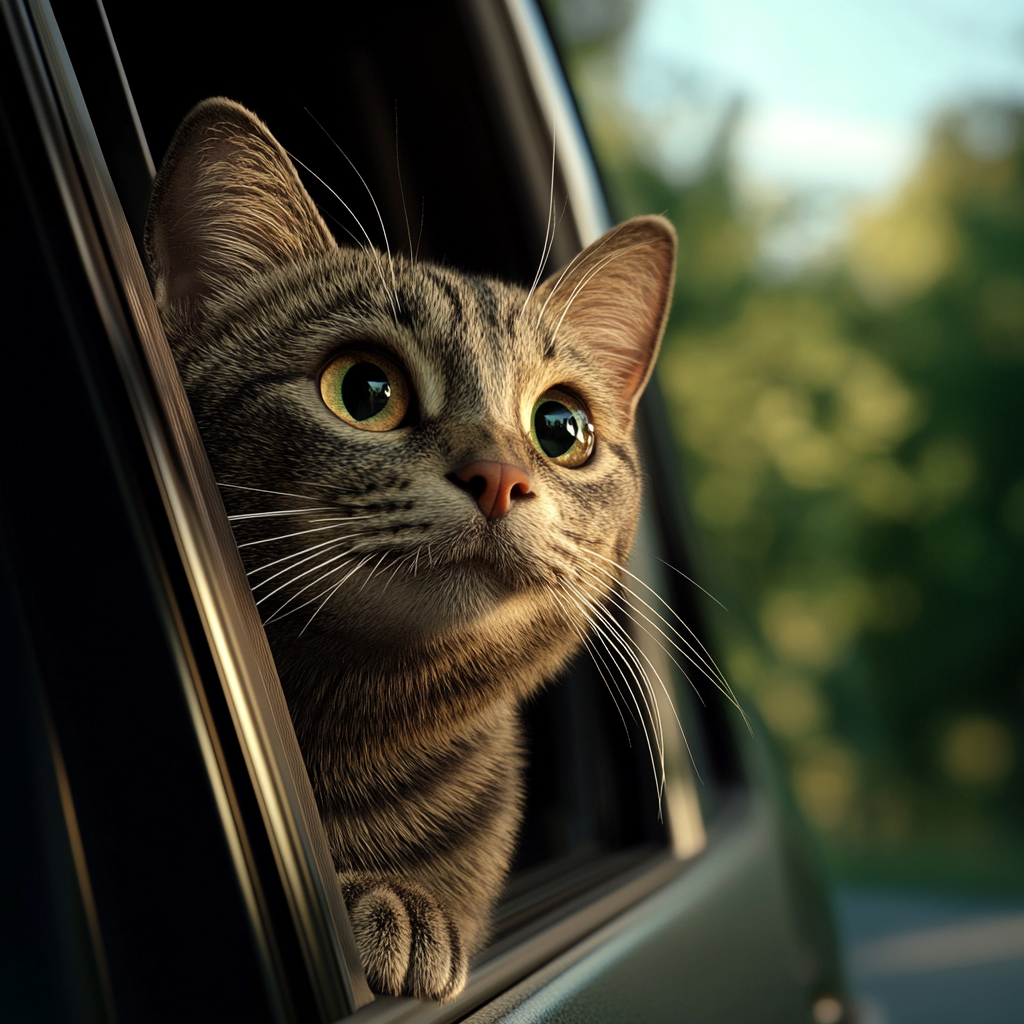
Pet transport UK to Germany is a door to door road service that collects your dog, cat or ferret from your UK address, crosses the Channel by LeShuttle, and drives through France, Belgium and the Netherlands into Germany without your animal changing vehicle or being handed to anyone else. Berlin, Munich, Hamburg, Frankfurt, Cologne and Düsseldorf are all reachable by road, with journey times ranging from roughly a day for the western cities to two days for Berlin or Munich depending on collection point and stops.
The paperwork works differently going out than coming back, and this is the part owners most often get wrong. Leaving Great Britain for the EU, your pet needs an Animal Health Certificate issued by an Official Veterinarian, not a pet passport. The certificate must be issued no more than ten days before your pet enters the EU, and the day of issue counts as day one. Because a UK to Germany run crosses into France on the first day, that ten day window has to be measured against the Calais arrival, not the German arrival.
What your pet needs before travelling to Germany
The requirements are set by the EU rather than by Germany specifically, so the list is the same whether you are going to Bavaria or Bremen.
Your pet needs a microchip fitted before or at the same time as its rabies vaccination. If the chip goes in afterwards, the vaccination does not count and has to be repeated. The rabies vaccination itself cannot be given before 12 weeks of age. You then need the Animal Health Certificate, issued within that ten day window by a vet authorised by APHA, and once issued it covers onward travel inside the EU for four months plus one return journey to Great Britain.
Germany does not require a tapeworm treatment on entry. That requirement applies coming back into Great Britain, not going out, which trips up owners who have read the return rules first and assumed they apply in both directions.
There is also a customs point worth planning around. You cannot carry meat or dairy based products into the EU, which rules out most standard dog and cat food. Either buy on arrival or take a plant based option for the journey.
How the route runs
We are based at 317A Cheriton Road in Folkestone, a few minutes from the LeShuttle terminal, which shapes how German runs are planned. Collection happens from your address, then the crossing takes around 35 minutes with the animal staying inside the vehicle and the driver present throughout.
From Calais the route picks up the motorway network through northern France and into Belgium. Cologne, Düsseldorf and the western Rhine cities sit roughly five to six hours beyond Calais in normal conditions, which makes them a single long day from most of southern England. Hamburg, Frankfurt and Stuttgart push into a long second leg. Berlin and Munich are two day journeys with a planned overnight stop rather than an improvised one.
In our experience, planning the overnight stop on the German side of the border works better than stopping in Belgium or the Netherlands because it puts the longest driving stretch behind you on day one while the animal is still relatively fresh, and leaves a shorter, calmer final approach on day two. Front-loading the mileage suits dogs better than saving it for the end, when a tired animal has already spent a night somewhere unfamiliar.
Germany does bring one route factor that other countries do not. Large stretches of autobahn have no general speed limit, which means traffic moves at very different speeds in adjacent lanes. That affects how smoothly a vehicle can hold a steady line, and a smooth ride matters more with an animal in the back than it does with luggage. Our drivers sit at a consistent, moderate pace on these sections rather than matching the flow, which adds time and produces a better journey.
Why owners choose road over flying to Germany
Flying is quicker on paper. The reasons owners come to us anyway tend to be consistent.
Separation is the first. On a flight, the animal is handed over at check-in and not seen again until arrival, usually having travelled in cargo. On a road route the pet stays in the cabin with a driver it has already met, and you can travel in the vehicle yourself if you want to. Many owners do exactly that, particularly on relocations.
Restrictions are the second. Airlines apply breed limits and seasonal temperature embargoes, and flat faced breeds are frequently refused outright. We carry cats, dogs and ferrets with no restriction on breed or size, so a Chihuahua and a Great Dane are both accommodated, just in different configurations. Our fleet includes a Mercedes Vito, a Skoda Kodiaq, a Skoda Octavia and a Citroën, which lets us match the vehicle to the animal and the amount of luggage rather than forcing every job into one van.
Control is the third. If a flight is delayed there is nothing anyone can do for the animal in the hold. On the road we can pull in, offer water, and give a dog twenty minutes on a lead. That flexibility is the core argument for driving these routes rather than flying them.
What tends to go wrong, and how we avoid it
We have found that the most common problem on outbound German bookings is not the route or the vehicle. It is the AHC being issued too early.
Owners book the vet appointment as soon as they have a travel date because they want to be organised, which is sensible instinct and the wrong sequence. The certificate is valid for ten days to the point of EU entry, so an appointment booked a fortnight out produces a document that has expired before the vehicle reaches Calais. When a booking comes in, we work backwards from the confirmed crossing time and tell owners the exact date range their vet appointment needs to fall inside. That check happens before the deposit is confirmed, while the appointment can still be moved instead of the travel date.
The second recurring issue is the return leg. Owners arrange a one way trip out, then discover months later that coming back needs a different document and a tapeworm treatment given by a vet between one and five days before entering Great Britain. If you know you are returning, it is worth thinking about both directions at the point of first booking.
Costs and booking
German routes are quoted individually because the distance to Cologne and the distance to Munich are not comparable, and because the number of animals and the volume of luggage changes the vehicle needed. The booking structure is fixed.
An initial payment of 50 percent secures the job. Once it clears, your LeShuttle ticket is confirmed and sent over, which also confirms the crossing your pet is booked onto. The balance falls due two days before travel, or you can settle in full in one payment. Payment is by bank transfer or by card through a secure payment link, with the card option carrying a 2.5 percent processing fee. If plans change we can issue a full refund excluding card fees provided we have at least 24 hours notice, though ticket type affects this. LeShuttle Flexi tickets are refundable, while Day Trip, Overnight and Short Stay Saver tickets are not.
Longer German routes carry costs a short hop does not, including driver accommodation, tolls through France and Belgium, and fuel across three or four countries. A quote that looks unusually low for a Berlin or Munich run is worth questioning, because the distance does not shrink to fit the price.
Coming the other way
A good share of our German work runs inbound rather than outbound, and the requirements reverse. Returning to Great Britain your pet needs a microchip, a valid rabies vaccination and either an EU Pet Passport or a UK health certificate, plus the tapeworm treatment for dogs inside that one to five day window. The crossing also has to be an approved route with an approved carrier, which is a legal requirement rather than a preference.
Our drivers handle the Pet Reception process at Calais routinely, so they know what gets checked and in what order. If you are relocating back permanently, our Germany to UK route runs on the same door to door basis in reverse.
Arranging your journey
Around ten years of running these crossings has taught us that German bookings live or die on two details. Whether the AHC date is calculated against the Calais entry rather than the arrival city, and whether the schedule is built around the animal rather than the fastest possible drive.
Send us the collection address, the German destination, your travel window and what animal is travelling including breed and age, and we will put a quote together. We will confirm the realistic journey time, the crossing, and the exact window your vet appointment needs to fall within. If the dates do not work, we would rather tell you before a deposit changes hands.